IBS Month – April 2024
Irritable bowel syndrome is observed every year in April. What is IBS and why is it necessary to spread awareness about it? IBS is a syndrome that affects the large intestine and is quite common around the world. Although it is considered a taboo subject by some people, IBS affects 25 to 45 million Americans.
Read More
Parkinson’s Awareness Month - April 2024
Parkinson’s Awareness Month is observed in April. Parkinson’s Awareness Month is an opportunity to increase awareness about the ailment and its symptoms, as well as to support victims. Parkinson’s is a long-term disorder where the central nervous system degenerates and that affects the motor system. Motor symptoms like trembling, stiffness, and rigidity are usually associated with Parkinson’s disease. Symptoms typically occur slowly
Read More
Oral, Head and Neck Cancer Awareness Week – April 16-22, 2024 (International)
Oral, Head and Neck Cancer Awareness Week will be held from April 16 to 22. Cancers of the mouth, head, and neck affect more than 54,000 Americans every year — that’s a remarkably high number. April is observed as Oral Cancer Awareness Month, with a week dedicated especially to head and neck cancers. Though the virus cannot be stopped from spreading, good practices can help keep these cancers at bay.
Read More
Stress Awareness Month – April 2024
Stress can be debilitating, and it can cause and/or aggravate health problems. And since stress is a normal part of human existence — nobody is immune to it — it’s important to arm ourselves with knowledge so that we recognize when stress rears its ugly head. (Amazingly, we don’t always notice it’s happening to us.) Stress Awareness Month happens each April.
Read More
Sexual Assault Awareness Month – April 2024
Sexual Assault Awareness Month, observed each April, is a campaign that aims to increase awareness about the causes and risk factors for sexual assault and empower individuals to take steps to prevent it in their communities. Since 2001, the National Sexual Violence Research Center has coordinated annual programming, developing materials and resources for organizations and agencies to use.
Read More
Physical Wellness Month – April 2024
Physical Wellness Month is celebrated in April every year. This time of the year, everyone is encouraged to check on themselves and observe a healthy lifestyle. From exercising and eating healthy to unwinding, there are a lot of simple activities you can do for a fit body and a sound mind. It’s also time to explore different ways to improve your daily habits. Everyone should ask themselves: “How can I be better inside and out? How can illnesses be prevented? How can stress be minimized?”
Read More
Medication Safety Week – April 1-7, 2024
Medication Safety Week is observed from April 1 to 7. It serves as a reminder that we must be more cautious about how we use and store our medications, as medication errors are the sixth leading cause of death. It’s important to know what you’re taking, how to take it correctly, and when to discard it. Medication Safety Week strives to educate both health professionals and consumers in order to reduce the risk of patient harm.
Read More
National Public Health Week – April 1-7, 2024
National Public Health Week is observed during the first week of April and takes place from April 1 to 7 this week. That’s seven days to champion the health of all Americans. It’s a week to recognize that everyone should lead healthier lives, irrespective of where they live, work, or come from.
Read More
Autism Awareness Day – April 2, 2024
April 2 is Autism Awareness Day. Did you know that CDC statistics revealed that autism spectrum disorder (ASD) is 4.3 times more prevalent in boys than it is in girls? This is because girls “often go undiagnosed because they don’t fit autism stereotypes and they mask symptoms better than boys do,” according to the Child Mind Institute.
Read More
Lupus Alert Day – April 1, 2024 (International)
Lupus Alert Day is an annual awareness event observed on April 1. This event was created to raise awareness of lupus and provide support for the millions of people affected by this condition. Lupus is a life-threatening autoimmune disease, it is an abnormality where the human immune system, designed to protect, attacks tissue and organs in the body.
Read More
American Diabetes Alert Day – March 26, 2024
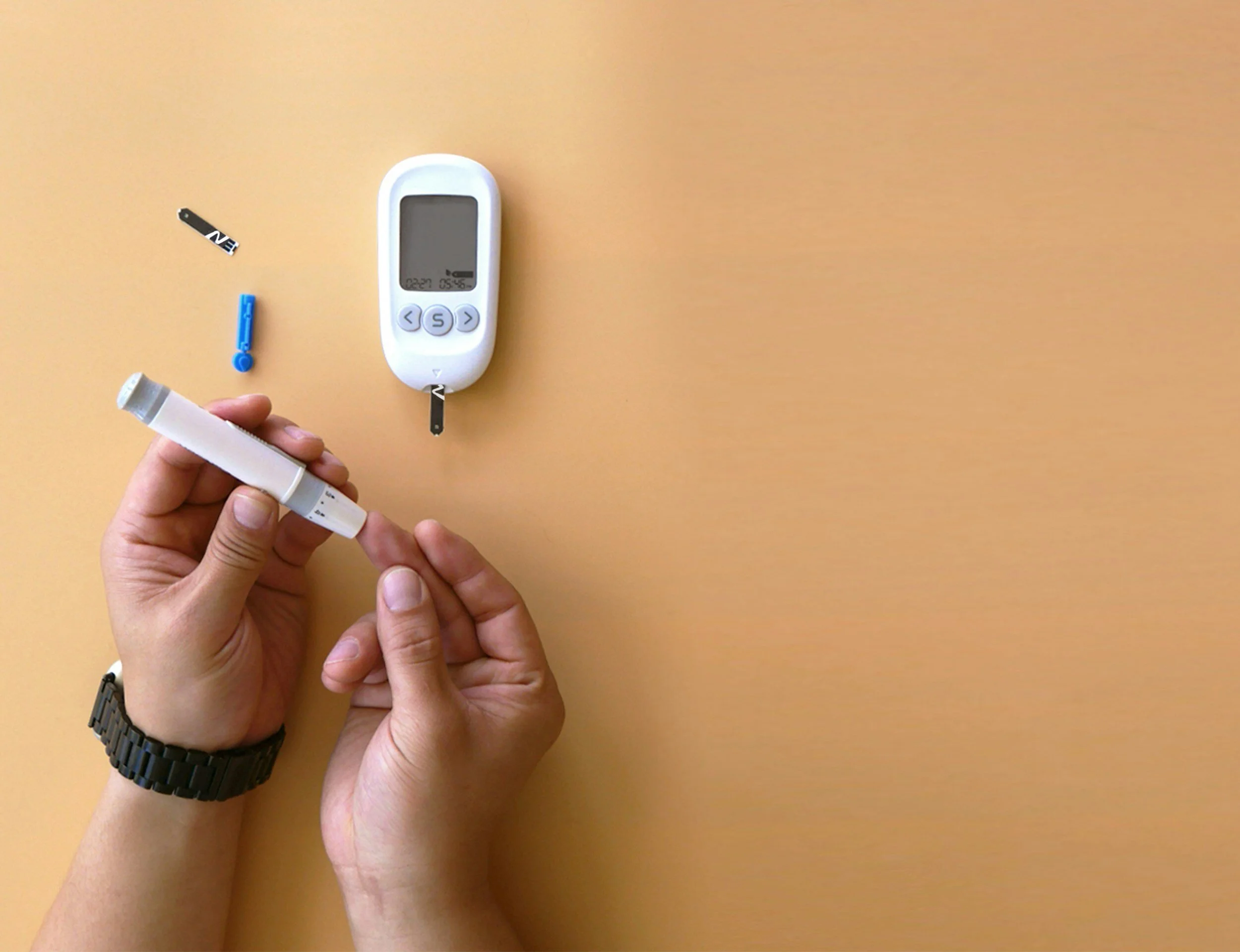
American Diabetes Alert Day is observed annually on the fourth Tuesday of March; this year, it falls on March 26. It is aimed at raising awareness among the American public about the risks and symptoms associated with diabetes. The American Diabetes Association sponsors the holiday.
Read More
Epilepsy Awareness Day – March 26, 2024
Celebrated annually on March 26, Epilepsy Awareness Day, or Purple Day, was created to increase the public’s understanding of this brain disorder and to eliminate the fear and stigma surrounding it. With over 3.5 million people diagnosed with epilepsy in the U.S. and over 50 million worldwide, it is likely you know someone living with the day-to-day challenges epilepsy brings. The good news is epilepsy can be easily managed if diagnosed and treated correctly, so awareness and research are important.
Read More
National Cerebral Palsy Awareness Month - March 2024
National Cerebral Palsy Awareness Month is celebrated every year in March as an awareness campaign to express support for the ones suffering from Cerebral Palsy. Starting in 2006 by the Cerebral Palsy Advocacy Group, their initiative has pushed for positive changes in the social structures of education, health care, and the job market so that all who suffer from this condition are given adequate opportunities to grow and prosper as any normal, healthy human being.
Read More
Wellderly Day – March 18, 2024
Wellderly Day is celebrated annually on the third Monday of March. This year, it takes place on March 18. On this day, we aim to celebrate the health of our senior members of society and promote healthy lifestyle changes to ensure longevity and fuller life. It is about looking toward the number of years the elderly have left to enjoy as opposed to the years already lived.
Read More
National Caffeine Awareness Month - March 2024
As implied by the name, “Caffeine Awareness Month,” March is the perfect time to take stock of your intake of this alertness-inducing chemical. That’s because, despite the growing popularity and variety of teas and other decaffeinated morning brews, tens of millions of Americans begin each day with a cup or two, or more, of coffee. And a large percentage of coffee drinkers refresh their doses of caffeine with even more coffee or soda throughout the day.
Read More
Multiple Sclerosis Awareness Week – March 13-19, 2024
Multiple Sclerosis Awareness Week takes place in March. This year, it takes place from March 13 to 19. It’s dedicated to spreading awareness about the auto-immune disease, multiple sclerosis. Multiple sclerosis is a condition that affects the central nervous system of an individual throughout their life. Multiple Sclerosis Awareness Week was created to educate and spread awareness about the realities of living with multiple sclerosis. It also informs the general public on how to assist people who have been diagnosed.
Read More
Listening Awareness Month - March 2024
Listening Awareness Month takes place in March each year. According to the International Listening Association, listening is “the process of receiving, constructing meaning from, and responding to spoken or nonverbal messages’.’ Listening is an important communication tool that many people overlook. This should not be the case because developing good listening skills is not difficult. Good listeners make good communicators and have a much faster grasp of issues than others.
Read More
Sleep Awareness Week – March 10-16, 2024
This Sleep Awareness Week® from March 10 to 16 is a time to snuggle up and catch some Zs because you deserve some rest! Admit it: You likely don’t let yourself get enough sleep. It’s not your fault; life is demanding. That’s why you owe it to yourself this March to get those extra hours you so desperately need.
Read More
Bleeding Disorders Awareness Month – March 2024
Bleeding Disorders Awareness Month is observed every year in March to discuss and spread awareness about bleeding disorders such as hemophilia. This genetic disease is found in every 1 in 5,000 boys but is very rarely reported in girls. To spread awareness about bleeding disorders and to work towards their prevention, organizations use March to run programs, campaigns, and other projects.
Read More
National Developmental Disabilities Awareness Month – March 2024
National Developmental Disabilities Awareness Month is observed in March in the U.S. This class of disabilities can refer to impairments in learning and behavior, such as autism, attention-deficit/hyperactivity disorder, and impairments in physical and/or intellectual functioning, such as cerebral palsy, spina bifida, and Down syndrome. The campaign seeks to raise awareness about including people with developmental disabilities in all facets of community life.
Read More